


Leaked corporate or personal information rarely disappears; instead, it frequently ends up on the dark web, a hidden section of the internet that can only be accessed by specialised networks and software. This underground marketplace thrives on the sale of sensitive information, where hackers and criminals trade in everything from credit card details to personal identification. Understanding the risks and taking proactive measures to safeguard your data is essential in today’s digital landscape. Protecting yourself and your company requires knowing where leaked data goes, who uses it, and why it matters.
How Information Gets to the Dark Web There are several ways for leaks to get there. Through phishing, malware, unsafe cloud configurations, or database misconfigurations, cybercriminals obtain login credentials and personal data. Targeted breaches of businesses or government organisations cause some leaks, while mass dumps occur when a criminal forum posts stolen datasets as “proof” or to boost their profile. After being acquired, data is transferred to a covert ecosystem that quickly makes money off of it.
Where Leaked Data is Sold and Traded
Marketplaces and specialised forums on the dark web offer stolen data in a variety of formats and price points. While niche forums exchange higher-value items like driver’s licenses, passport scans, or corporate intellectual property, broad marketplaces sell bulk credentials, such as phone numbers, email/password pairs, and payment card dumps.
Access to searchable databases of compromised accounts or automated credential-stuffing services is offered by subscription-style “shops”. Custom services like account takeovers, the creation of fictitious documents, SIM-swap facilitation, or targeted reconnaissance against valuable individuals can also be commissioned by buyers.
Who Buys Leaked Data and For What?
Buyers can be anything from small-time scammers to large-scale criminal organisations. Cheap credentials are used for spam, account takeover, and resale. Payment card information facilitates money laundering or fraudulent transactions. Competitors, identity thieves, or blackmailers may buy more sensitive data, like tax returns, medical records, or confidential research and development
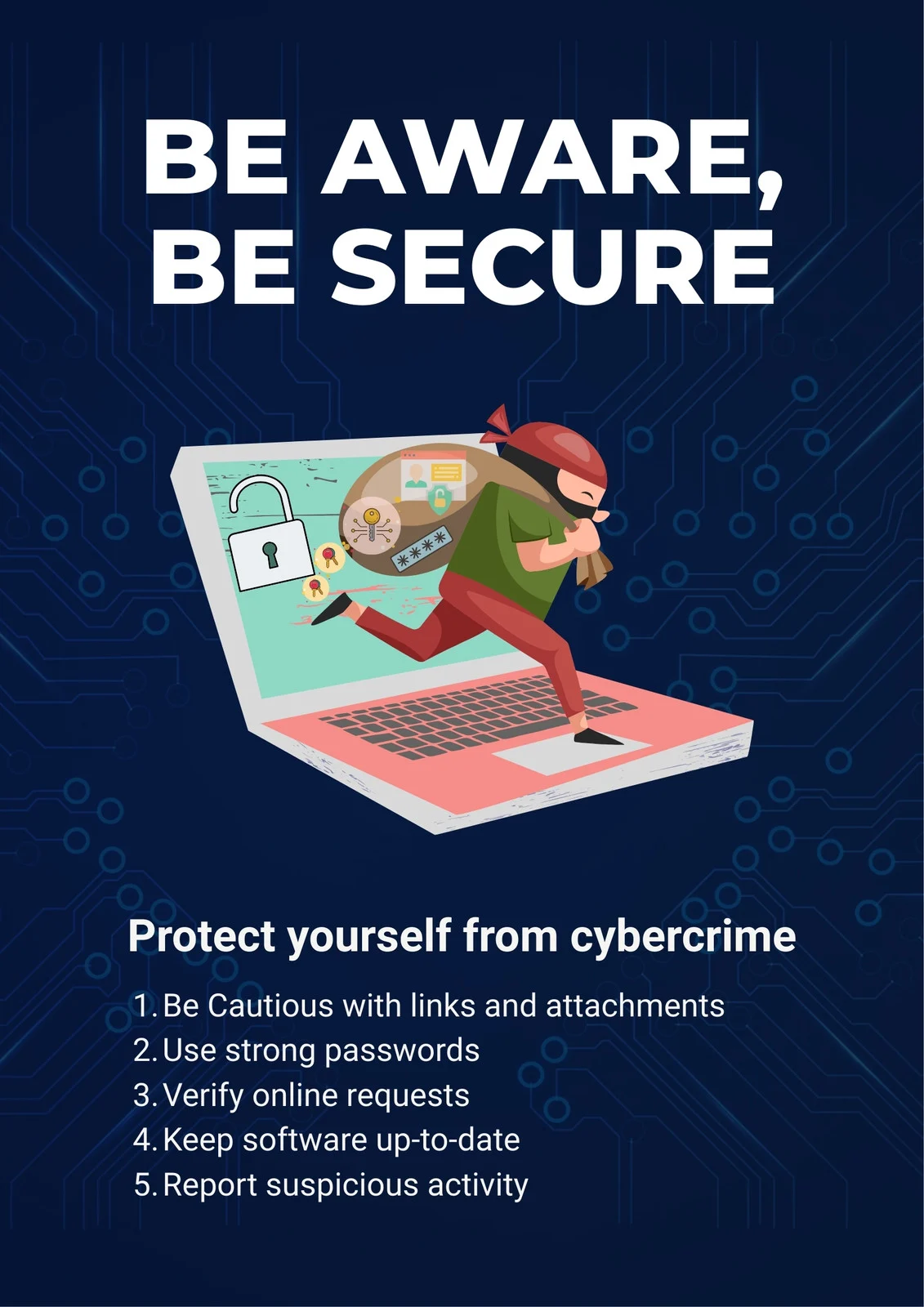
Leaked data can occasionally be used by nation-state actors for influence or espionage purposes. Since one dataset can result in multiple types of harm, stolen data is a desirable commodity due to its versatility.
Consequences for Victims
A leak on the dark web can have serious and enduring consequences. People may experience financial loss, reputational harm, and identity theft. For companies, violations result in legal action, fines from the government, and a decline in consumer confidence. Leaked credentials make future attacks possible, even in cases where the harm isn’t immediately apparent; attackers can use the same passwords to access multiple accounts.
How to Detect and Reduce Exposure
Take proactive measures and begin by assuming that your data may be available online:
- Make use of a password manager and create strong, one-of-a-kind passwords.
- Turn on multi-factor authentication (MFA).
- Keep an eye on credit reports and accounts.
- Use reputable services to set up breach notifications.
Give encryption, least-privilege access, secure cloud configurations, frequent security audits, and an incident response plan top priority for businesses. You can find out when your data appears on the dark web by using breach-monitoring or professional threat intelligence services.


